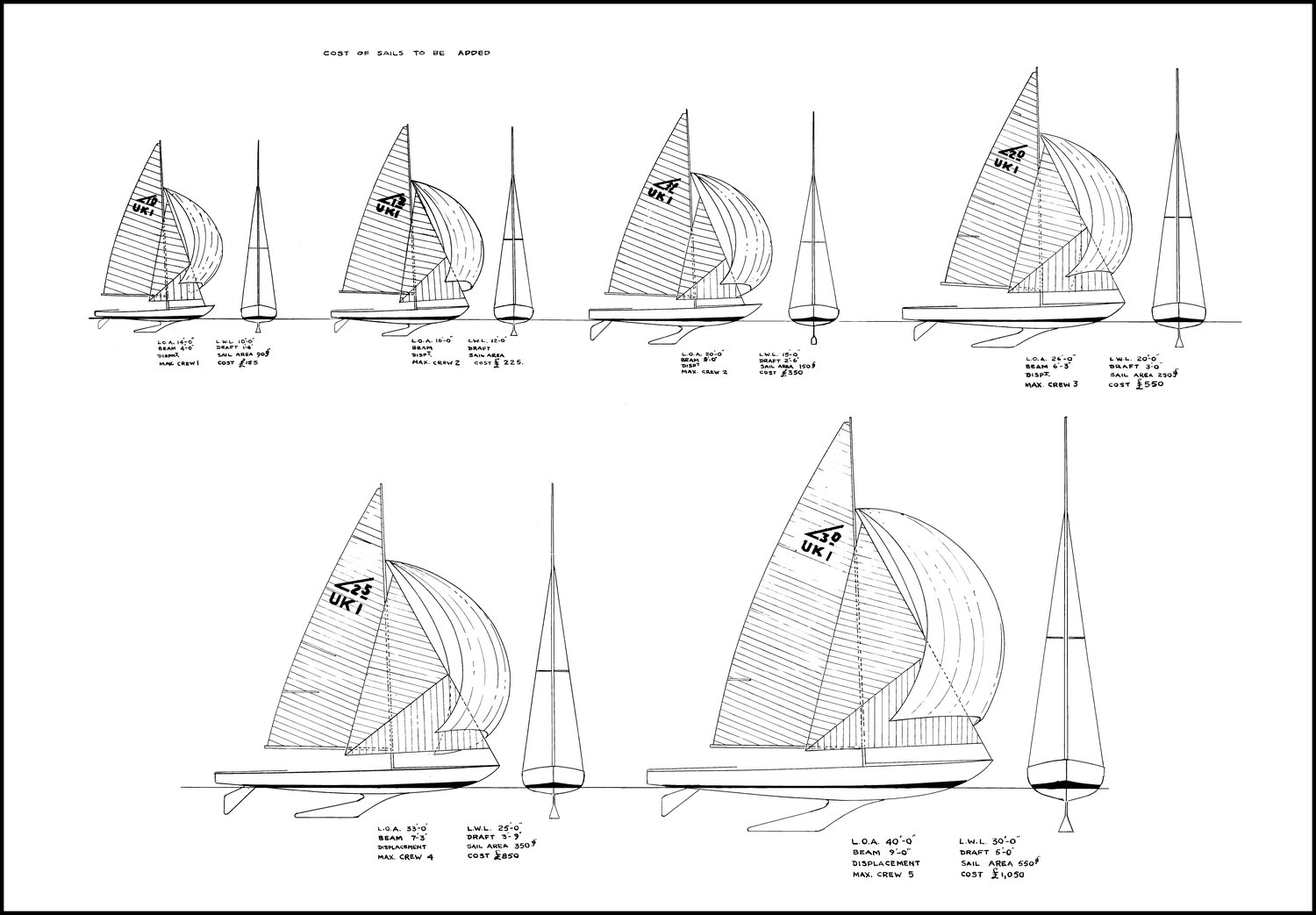
Traditional keelboats offered stability, seaworthiness and elegance, but they were often heavy and slow to accelerate. Uffa looked for a way to combine the security of ballast with the liveliness of a dinghy: light displacement, efficient underwater appendages and responsive hull forms. Instead of a long keel he favoured a separate fin keel and rudder, reducing wetted surface and helping the boat feel more alive under sail.
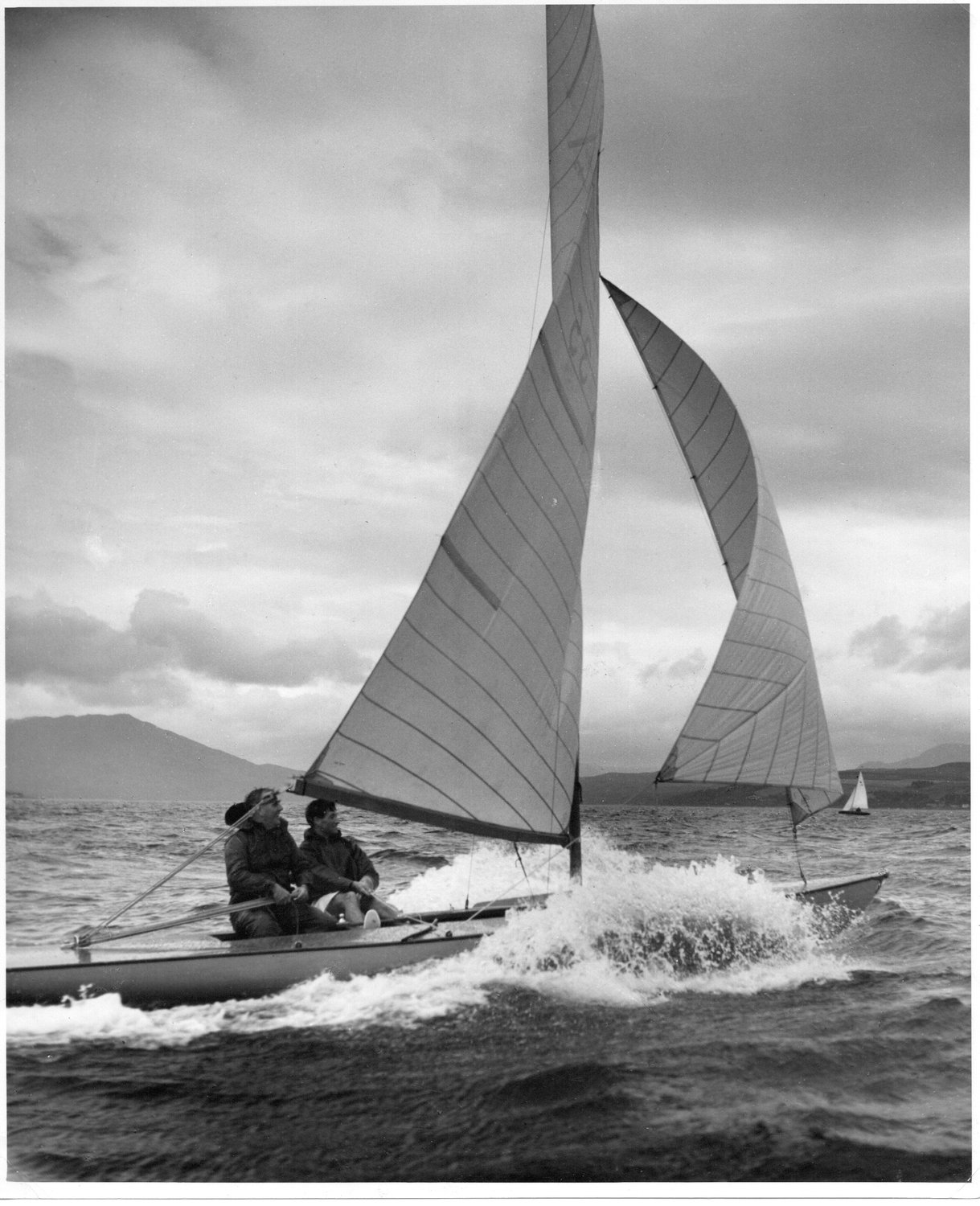
His best-known keelboat thinking is the Flying Fifteen, designed in late 1947. At twenty feet overall it was compact enough for club racing yet ambitious in concept: a keelboat that behaved with the spirit of a dinghy, fast, sensitive and comparatively light, drawing on his experience of the Fourteen Footers.
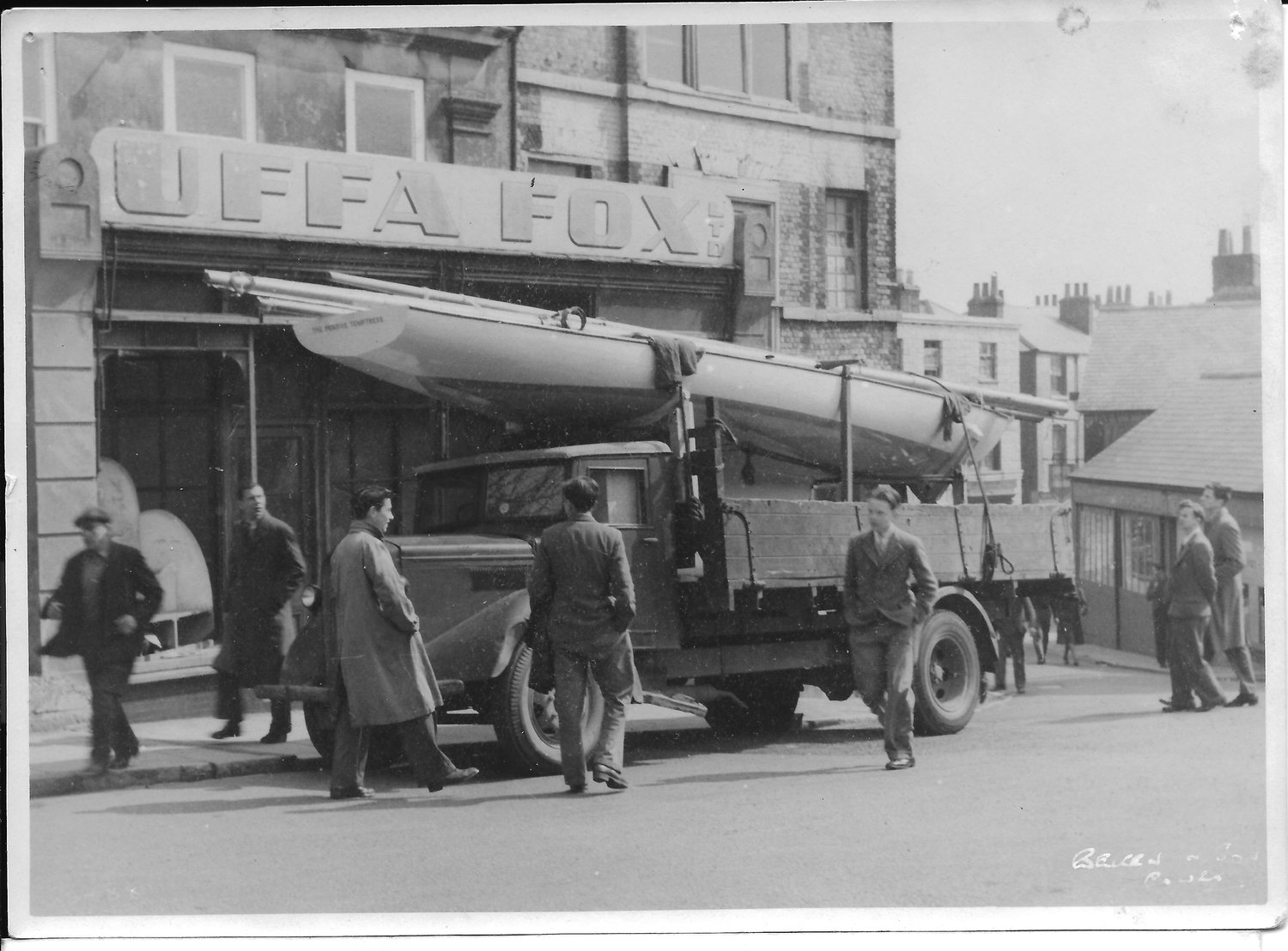
The Flying Fifteen was not his first post-war keelboat. With the 1948 Olympics pending, the YRA commissioned a competition for a new One-Design keelboat. Uffa drew the lines of a boat called the Pensive Temptress. It did not meet the YRA parameters in several respects, so was a non-starter for the Olympic class, but proved the fastest of the four boats on trial.
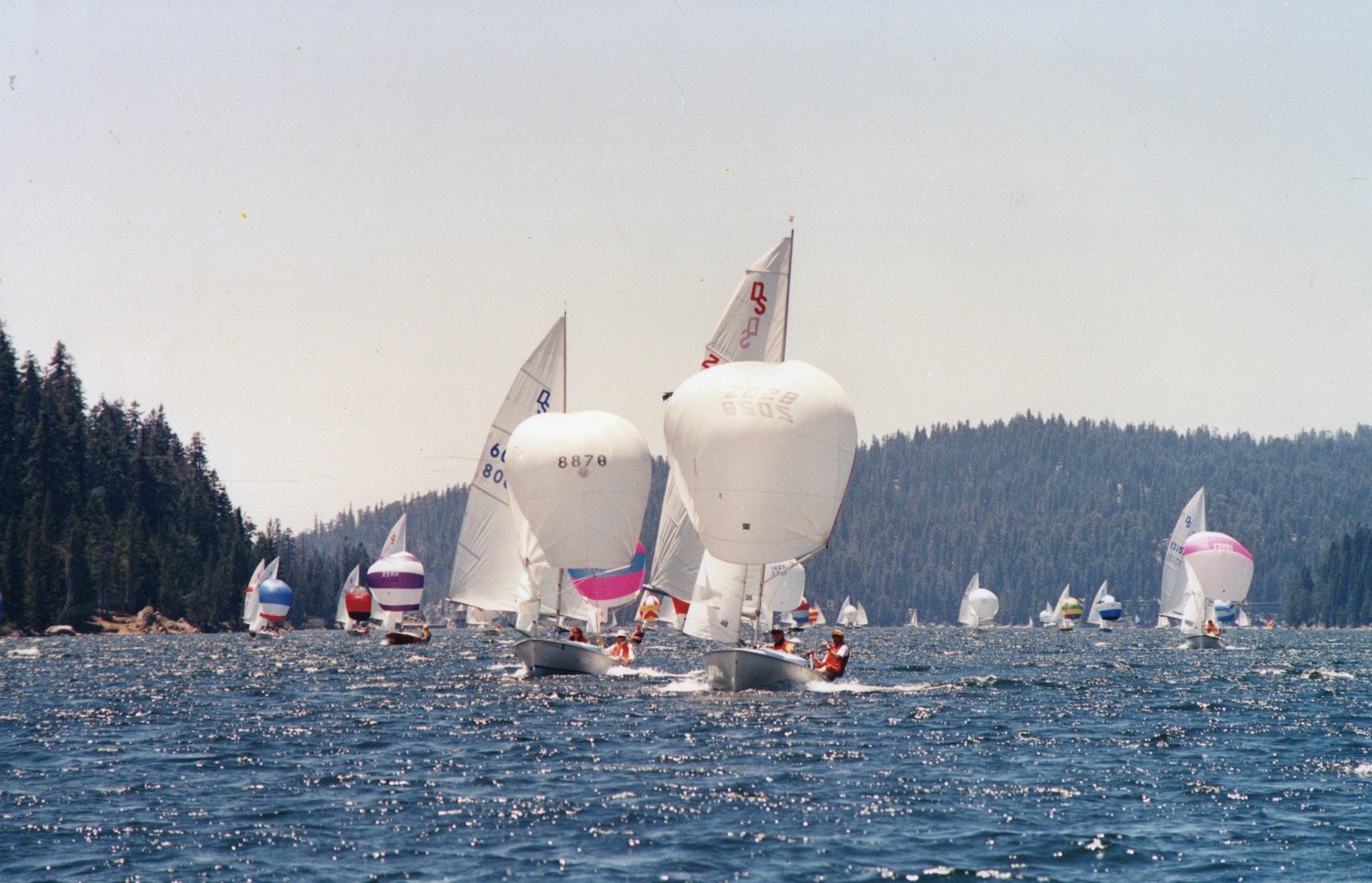
Uffa came up with a whole range of Flying keelboats in the late 1940s: Flying Ten, Twelve, Fifteen, Twenty and Twenty Five. The Flying Twenty Five Kingfisher was recorded planing at over 15 knots in the Solent, very notable for the time. His most prolific but, in the UK, relatively unknown design is the Daysailer, a collaboration with the US Olympic sailor George O'Day; over 14,000 have been built.
Photographs