Uffa's apprenticeship with SE Saunders exposed him to advanced boatbuilding and high-speed craft. By his early twenties he had established his own boatbuilding business, famously adapting an old Cowes floating bridge into a workshop, drawing office, home and slipway.
His defining contribution was the development of a dinghy that planed easily. Traditional dinghies were deep, heavy and rounded, and largely limited in speed by displacement hull behaviour. Uffa pursued lighter boats ("the only place for weight is in a steam roller") with flatter after-sections, cleaner runs and enough form stability to let the crew keep the boat upright. When wind, sail and crew balance aligned, the hull could plane and produce exhilarating speed.
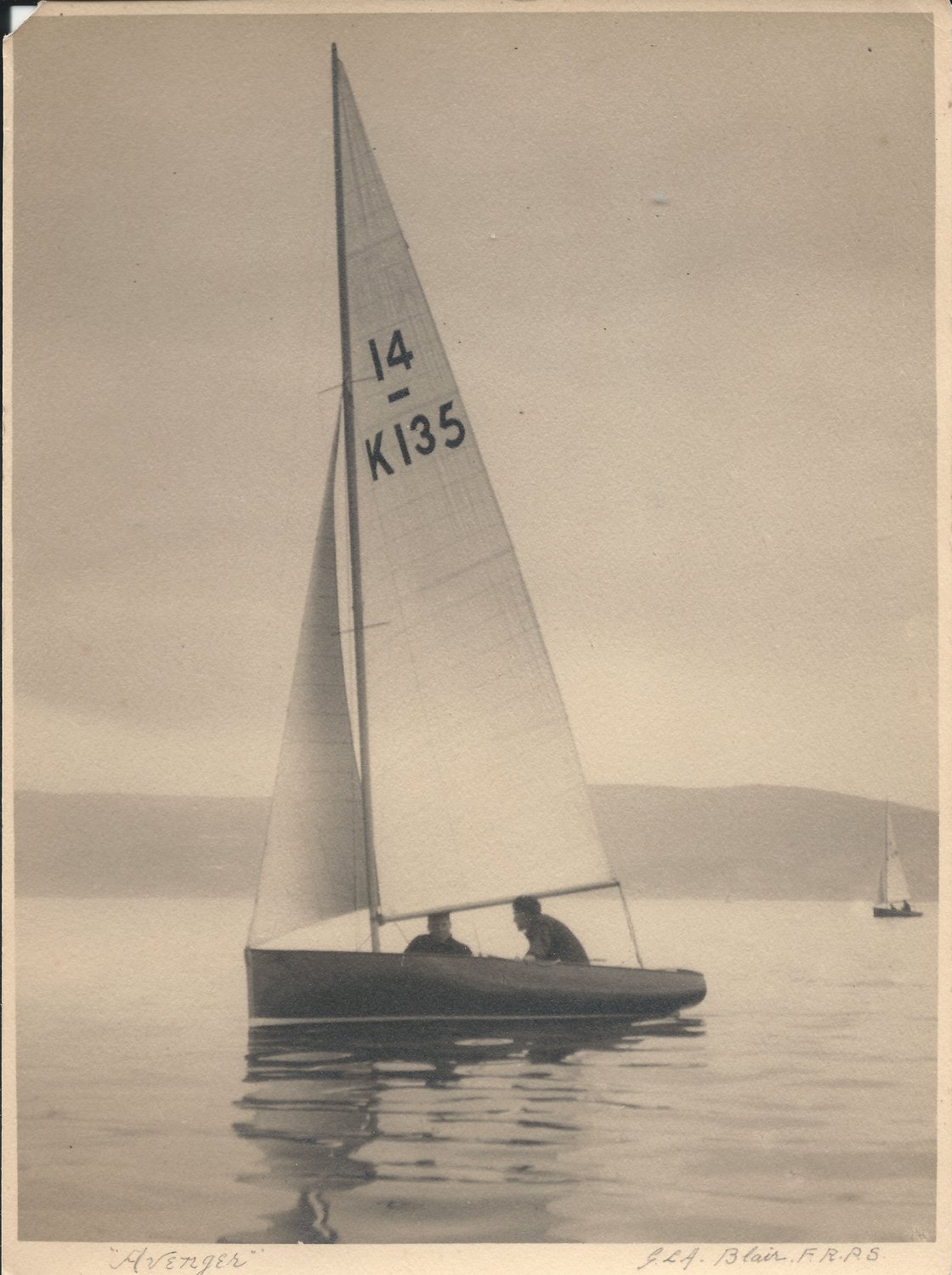
His International Fourteen Avenger demonstrated the idea spectacularly in 1928, winning 52 first places in 57 starts and helping to make the planing dinghy a practical racing reality. It showed that hull form, rig balance, light construction and active crew work could redefine what a small sailing boat was capable of.
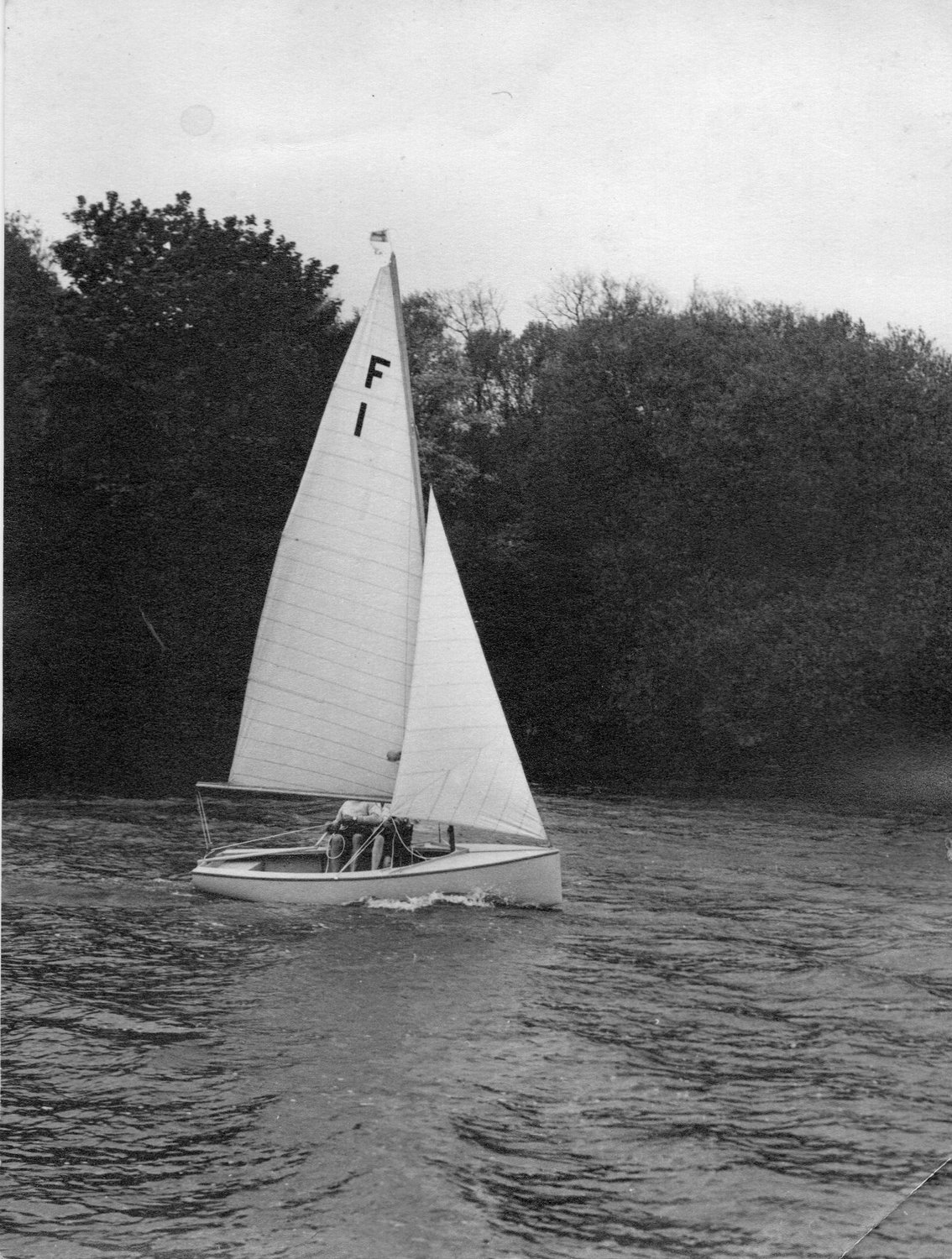
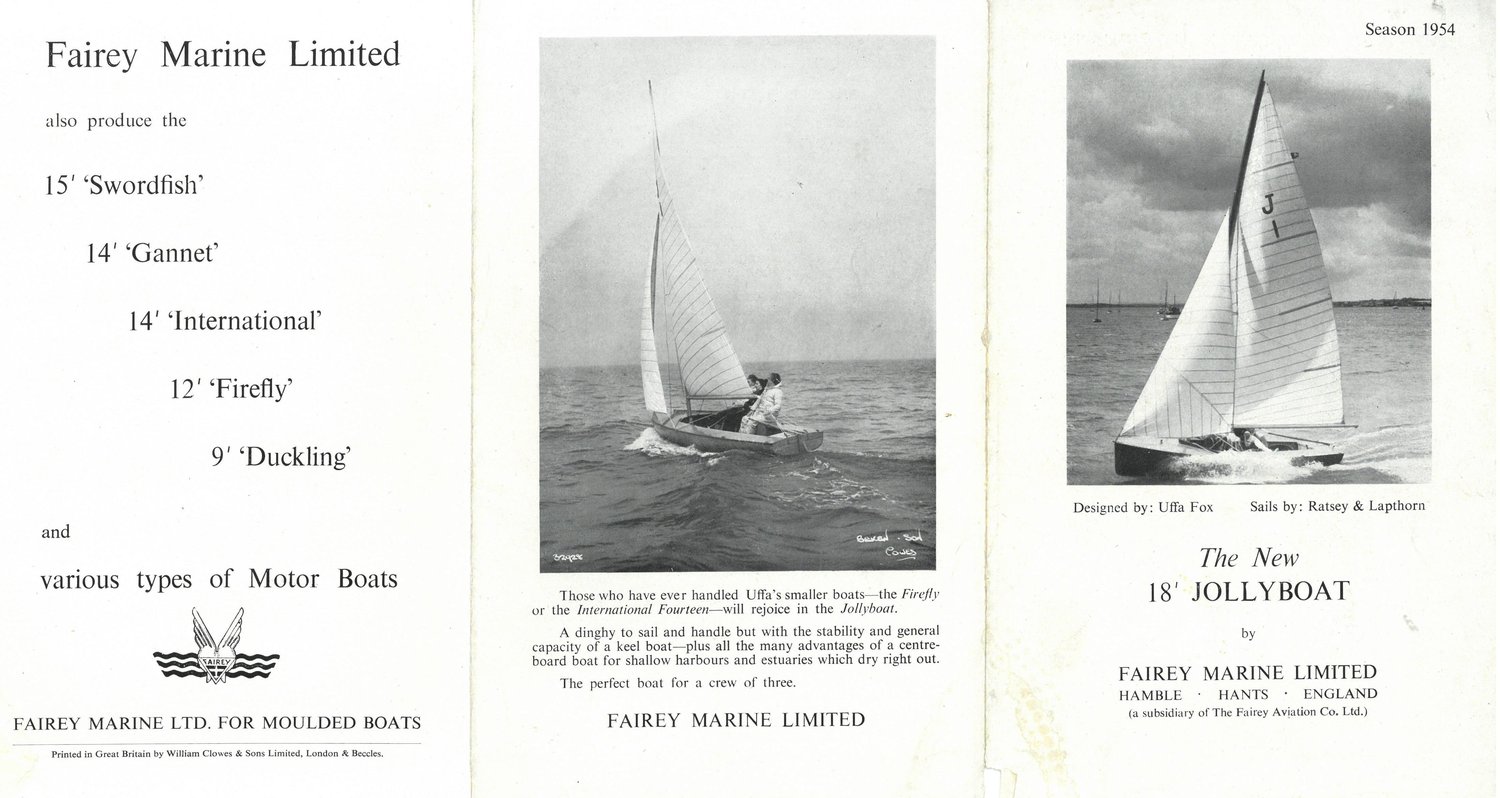
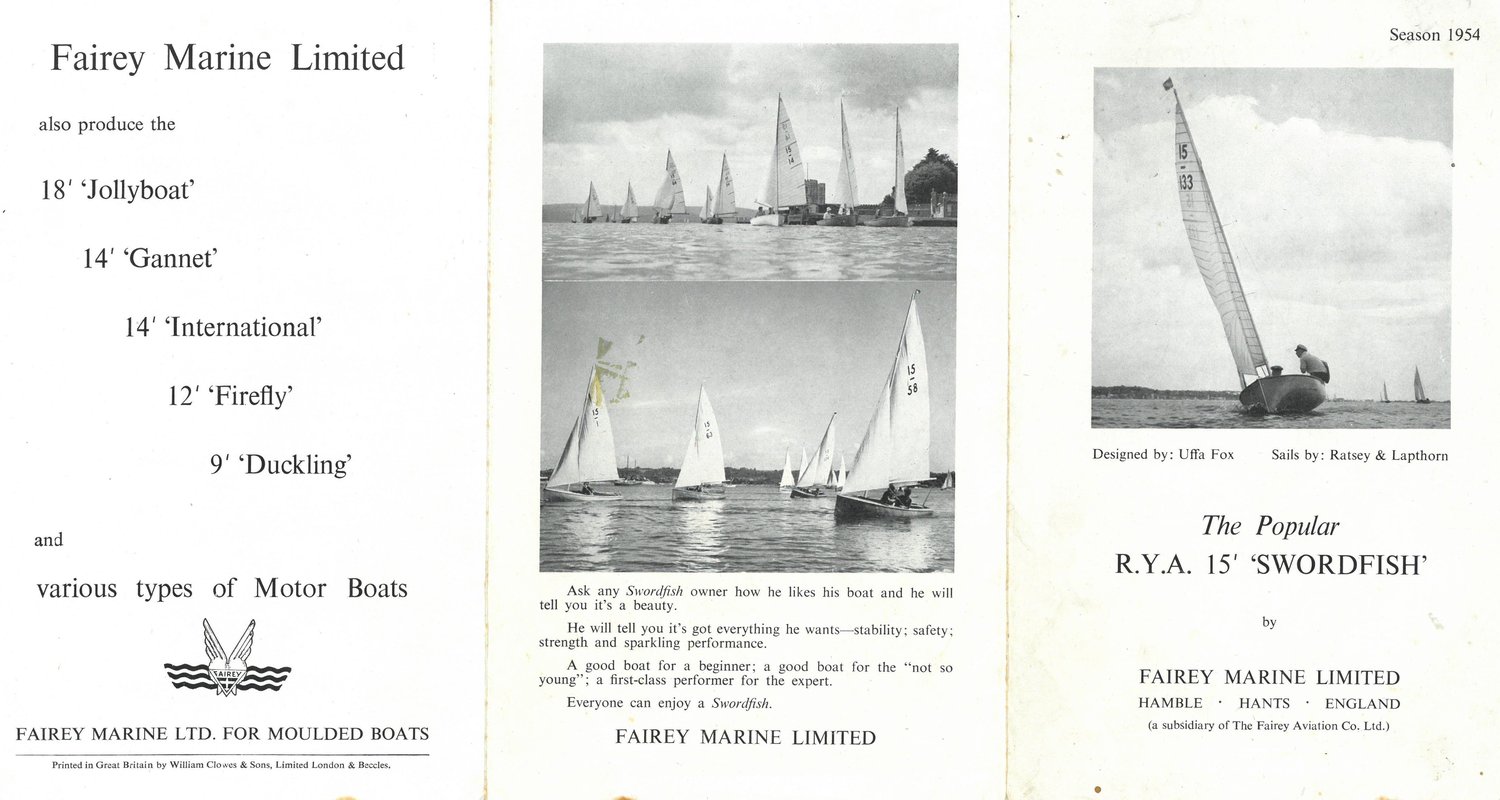
Following Avenger, Uffa dominated the International Fourteen Class until around 1950, and carried his philosophy into other classes, most notably the International Canoes, National 12 and National 18. After the war his association with Fairey Marine brought hot-moulded plywood into popular dinghy production, producing the Firefly, Swordfish, Jolly Boat and Duckling, with the Firefly chosen as the single-handed dinghy for the 1948 Olympics.
Uffa Fox's legacy lies not just in his dinghy designs but in the change to sailing technique that is still evident today. To race successfully, the crew must be at one with their boat.
Photographs